

Historical shifts Understanding the evolution of gambling practices through the ages
Ancient Beginnings of Gambling
The practice of gambling can be traced back thousands of years, with evidence of games of chance appearing in ancient civilizations such as Mesopotamia and China. Archaeological findings reveal that dice made from animal bones were used as early as 3000 BCE. These early forms of gambling were not just about chance; they often held significant cultural and religious importance, reflecting society’s beliefs and values, much like the appeal of the aviator game that captivates players today.
:max_bytes(150000):strip_icc()/GettyImages-560231979-d28ad2e66dcf4cae9fc319f46e606c21.jpg)
In ancient China, gambling was commonly practiced through games like Keno, which dates back to the Han Dynasty. Such activities not only provided entertainment but also served as a means of community bonding. The early forms of gambling laid the groundwork for the complex systems and regulations that would evolve in later societies.
The Rise of Formalized Gambling
As societies developed, so did the structure of gambling. The Roman Empire played a crucial role in shaping modern gambling practices by establishing organized betting on gladiatorial games and chariot races. This period saw the introduction of rules and systems that sought to regulate gambling activities, highlighting the growing popularity of betting among the populace.
The Middle Ages further transformed gambling into a more structured activity with the establishment of the first known gambling houses. These venues provided a safe environment for betting and introduced card games, which were gaining popularity across Europe. This era marked the transition from informal gambling to a more organized and commercially viable industry.
Gambling in the New World
The arrival of European settlers in the Americas brought with it a variety of gambling practices. Initially, games like cards and dice were played among settlers, but the discovery of gold and the expansion westward led to a surge in gambling. The Gold Rush era saw many individuals engaging in high-stakes betting, which became a significant aspect of frontier life.
As towns and cities developed, so did the establishment of casinos and betting parlors. These venues not only catered to the needs of gamblers but also became community hubs where people gathered to socialize. The influence of gambling during this period laid the foundation for the robust gaming industry that would emerge in the 20th century.
The Modern Gaming Era
The 20th century witnessed a seismic shift in gambling practices, particularly with the legalization of casinos in various parts of the world. Las Vegas emerged as the gambling capital, epitomizing the glitz and glamour of modern casinos. This era also saw the introduction of technology, including online gambling, which revolutionized the industry.
The advent of the internet has transformed how people engage with gambling, allowing for unprecedented access to games and betting platforms from the comfort of their homes. As regulations adapt to new technologies, the industry continues to evolve, raising discussions around responsible gambling and its societal impacts.
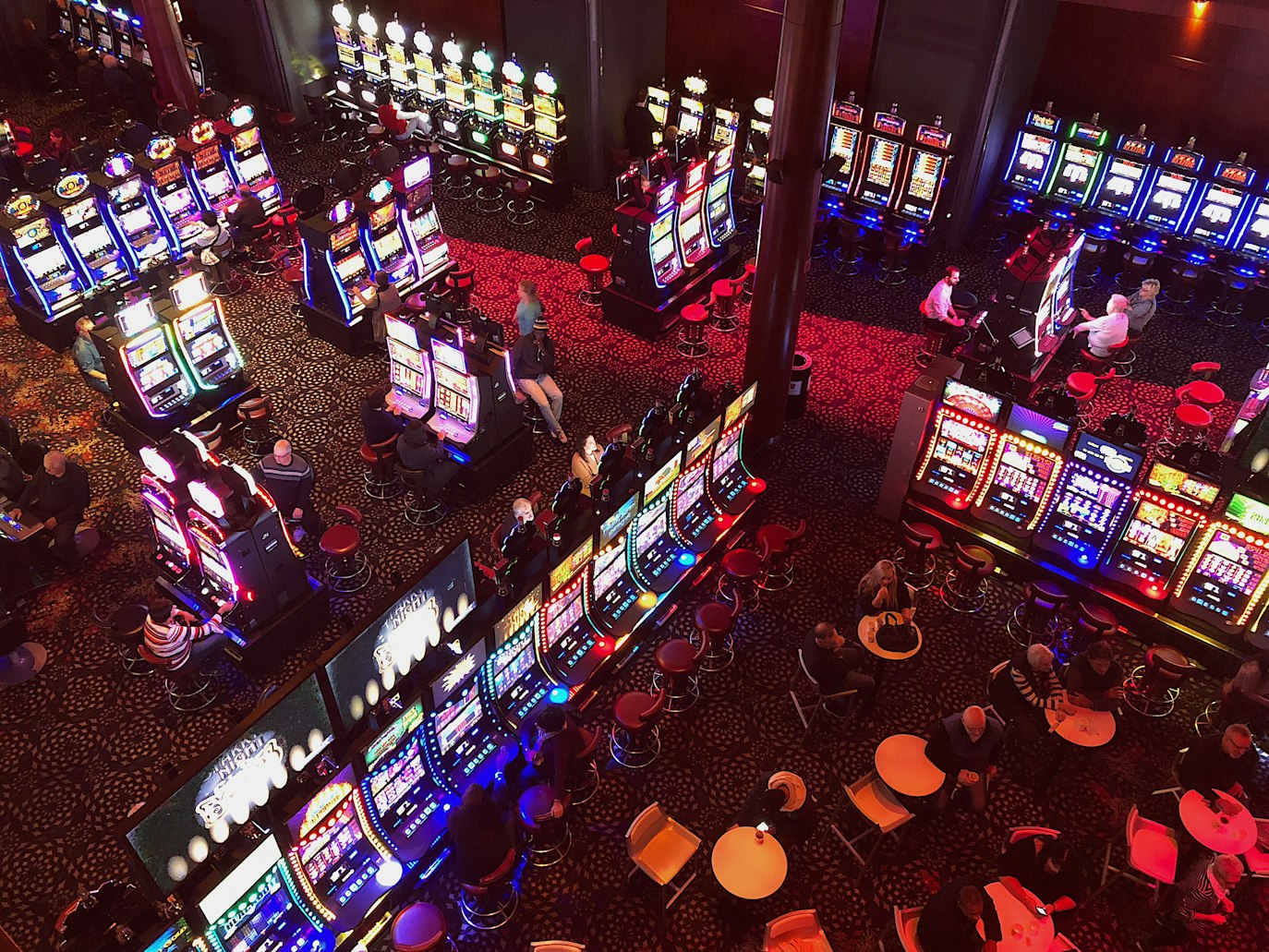
Understanding Today’s Gambling Landscape
In today’s world, gambling is more than just a leisure activity; it is a multi-billion-dollar industry with diverse forms that cater to a wide audience. From online casinos to sports betting, the evolution of gambling practices reflects societal changes and technological advancements. The ongoing discourse around gambling ethics, regulation, and addiction is crucial in shaping the future of this industry.
As we navigate this dynamic landscape, understanding the historical shifts in gambling practices provides valuable insights into how our relationship with gambling has evolved. This website aims to explore these trends, offering a comprehensive look at the history and future of gambling practices. Whether you are a casual player or a serious gambler, understanding this evolution enhances your appreciation for the games and the industry at large.